
When most people hear HACCP (Hazard Analysis and Critical Control Points), they think about food safety – bacteria, recalls, and inspections. And while that role is essential, it barely scratches the surface of what HACCP is designed to do.
At its core, HACCP is a scientific system for preventing failure.
- Not just illness.
- Failure of flavour.
- Failure of texture.
- Failure of aroma.
- Failure of trust.
Last month, several beverage brands learned this the hard way. New sodas and mocktails were pulled from shelves after consumers reported moldy, bitter, metallic, and harsh tastes. No one became sick, but the damage to brand reputation was real. What made these defects especially dangerous was that they didn’t appear in routine quality checks. Only trained sensory evaluation revealed the problem.
That’s where HACCP evolves from a safety tool into a sensory quality protection system.
HACCP Is About Controlling Risk – Including Sensory Risk
HACCP works because it forces manufacturers to ask three scientific questions:
- Where can quality fail?
- Why would it fail?
- How do we control it every time?
Oxidation, microbial shifts, moisture changes, ingredient fraud, poor storage, and equipment interactions are potential quality threats when they create off-flavors, strange textures, or aroma defects. Once sensory issues are treated as risks rather than opinions, they become measurable, preventable, and controllable.
The Codex 12 Steps: A Framework for Sensory Quality Control
The Codex HACCP system provides the structure:
Preliminary steps
- Assemble the HACCP team
- Describe the product
- Identify intended use
- Map the process flow
- Verify the process on site
Seven principles
- Conduct hazard analysis (including sensory hazards)
- Identify critical control points
- Establish limits
- Monitor
- Correct deviations
- Verify performance
- Document everything
This same framework that controls pathogens can control flavor breakdown, fermentation drift, oxidation, contamination, and fraud.
Starting With the Process: Where Sensory Quality Is Born or Broken
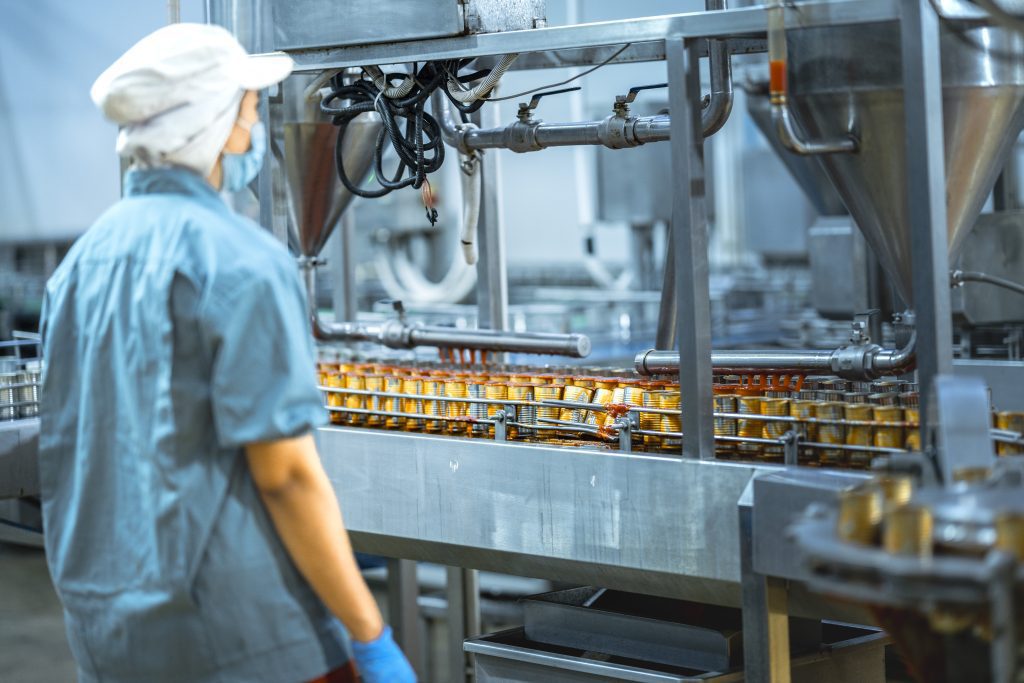
A strong sensory HACCP program begins by fully understanding the manufacturing and packaging operations.
Teams walk the production facility, verifying each step on-site and using the food safety flow diagram as a reference. This isn’t paperwork, it’s real observation of where heat, time, oxygen, moisture, and handling influence taste and texture.
- Past product defects and off-flavours
- Texture complaints
- Historical process deviations
Product returns and customer complaints are analyzed carefully, always cross-checked with expiry dates and shelf-life studies. A bitter note that appears near end-of-life tells a very different story than one present on day one. This is how patterns emerge.
Turning Sensory Perception Into Measurable Control With Tastelweb® Quali Profile
This is where structured sensory science becomes essential.
Using Tastelweb® Quali Profile tests, companies implement digital questionnaires that allow trained panels to evaluate products through:
- Checkboxes for defect presence
- Scaled intensity ratings
- Complex descriptive profiles
- Pre-set limits and non-compliance thresholds
These systems transform sensory feedback into real-time quality data.
Custom Tastelweb® tests can adapt to specific products — from fermented beverages to baked goods to dairy — ensuring that every critical sensory attribute is tracked. Just as important, sensory teams work closely with sales and marketing to define drivers of liking. Consumer studies, market surveys, and preference data help identify which attributes truly matter. Sweetness balance, aroma freshness, mouthfeel and carbonation level all become controlled quality targets. Sensory quality is no longer subjective, it’s engineered.
Building Sensory Control Points Into Daily Operations
Next comes implementation. Clear sensory control procedures are established alongside sample collection protocols. Products are taken at defined points in the process- raw materials, in-process stages, finished goods- ensuring results truly represent production reality.
These sensory checkpoints function like CCPs:
- Freshness of ingredients
- Fermentation progress
- Oxidation development
- Texture formation
- Packaging integrity
Verification ensures that controls remain accurate and meaningful.
From Defects to Root Causes – and Real Corrections

When sensory deviations appear, the goal isn’t blame, it’s understanding.
Defects are prioritized by impact and frequency. Teams work directly with operators to form hypotheses:
- Was temperature too high?
- Was storage too long?
- Was oxygen exposure uncontrolled?
- Did raw material quality drift?
Corrective actions are then implemented and verified, thereby closing the HACCP loop.
- This is how bitterness disappears from wine.
- How harsh kombucha stabilizes.
- How moldy notes never reach consumers.
Extending Sensory Control All the Way to the Store Shelf
Quality doesn’t end at packaging. Sensory programs are extended with store sampling, ensuring that products maintain their sensory integrity throughout distribution and shelf life. Operator performance is regularly verified. Training is refreshed when needed. Sensory accuracy remains sharp and consistency is protected.
Turning Data Into a Living Quality System
Finally, all sensory control results are integrated into central data systems. Automated interfaces feed real-time monitoring dashboards. Query functions allow teams to spot trends before failures occur. Sensory data connects directly with quality certification systems such as SQF Quality Certification.
Getting certified to the SQF Quality Code.
SQF Quality Code certification adds real business value because it uses HACCP as its scientific framework not only to protect food safety but also to control and prevent sensory quality failures that impact consumer acceptance and brand trust. By requiring structured hazard analysis, critical control points, trained sensory evaluators, documented sensory programs, and positive product release based on sensory attributes, SQF teams can evaluate rigorously food flavor, aroma, texture. This means off-flavors, texture breakdowns, oxidation, fermentation drift, shelf-life defects, and even fraud risks are systematically identified, monitored, and corrected before products reach customers. The result is fewer recalls, stronger customer confidence, more consistent products on the shelf, and a quality system that protects both public safety and long-term brand reputation through prevention rather than reaction.
SQF Quality Code (Edition 10) Clauses that support sensory quality through a risk management framework:
2.4.3.2 A food quality plan shall be developed, effectively implemented, and maintained by a multidisciplinary team including SQF quality practitioner in accordance with a risk-based method. Quality threats and critical quality points and their controls must be identified. Where the relevant expertise is not available on-site, advice may be obtained from other sources to assist the food safety team.
The food quality plan may be combined with or independent from the food safety plan.
2.4.4.4 A sensory evaluation program shall be in place to ensure alignment with agreed customer and/or internal requirements. Sensory evaluation results shall be documented and communicated with relevant personnel and with customers where appropriate.
2.4.7.1 The responsibility and methods for product positive release procedures shall be documented and implemented. The methods applied shall ensure at time deliver product complies with:
i. All internal, regulatory, and/or agreed customer requirements;
ii. Product specifications, including sensory attributes;
iii. Packaging and package integrity;
iv. Labeling requirements; and
v. Delivery and service requirements.
2.9.1.3 Instruction shall be provided, at a minimum, to all relevant personnel and contractors involved in the effective implementation and maintenance of the following programs or plans:
i. Sensory Evaluations
ii. Food fraud mitigation;
iii. Recall;
iv. Traceability;
v. Supplier and co-manufacturer audits; and
vi. Sampling and testing of all raw materials including packaging, work-in-progress, and finished products.
Why HACCP + Sensory Science Protects Brands
When HACCP includes structured sensory programs like Tastelweb® Quali Profile
- Flavor and texture become controlled risks
- Defects link to root causes
- Failures are prevented — not recalled
- Fraud is detected
- Processes stabilize
- Brands are protected
This is controlled excellence.
Final Takeaway: Great Food Is Designed Through Risk Control
Great food doesn’t happen by chance.
It happens when risk is identified, monitored, and controlled — from raw materials to the consumer’s first sip or bite.
HACCP provides the scientific backbone.
Sensory science provides the precision.
Together, they transform flavor, aroma, texture, authenticity, and consistency into engineered outcomes.
Whether it’s a moldy-tasting soda, a bitter wine, fraudulent olive oil, fermentation gone wild, or texture breakdown in baked and dairy products, HACCP turns uncertainty into control.
And in today’s market, consistent sensory quality isn’t just a competitive edge.
It’s survival.
Since 2014, The technical team at Sirocco Food & Wine Consulting Inc. provides regulatory and product quality and safety certification services to small and medium food and beverage processors in Canada and the United States. Our consulting and training services focus on SQF and HACCP certifications. Sirocco Food + Wine Consulting Inc. technical team uses Tastelweb© software for the design of consumer sensory questionnaires, data entry, processing of results, and reporting. 5 tests are currently offered: Consumer Questionnaire, Descriptive Analysis (QDA©), Triangular Tests, Quali© Profile, and Pivot Profile tests. Individual tests can be purchased through the store (no contract needed) or through an annual subscription. Contact us to request a free consultation or software demo. Access one sensory test or more from our store now.